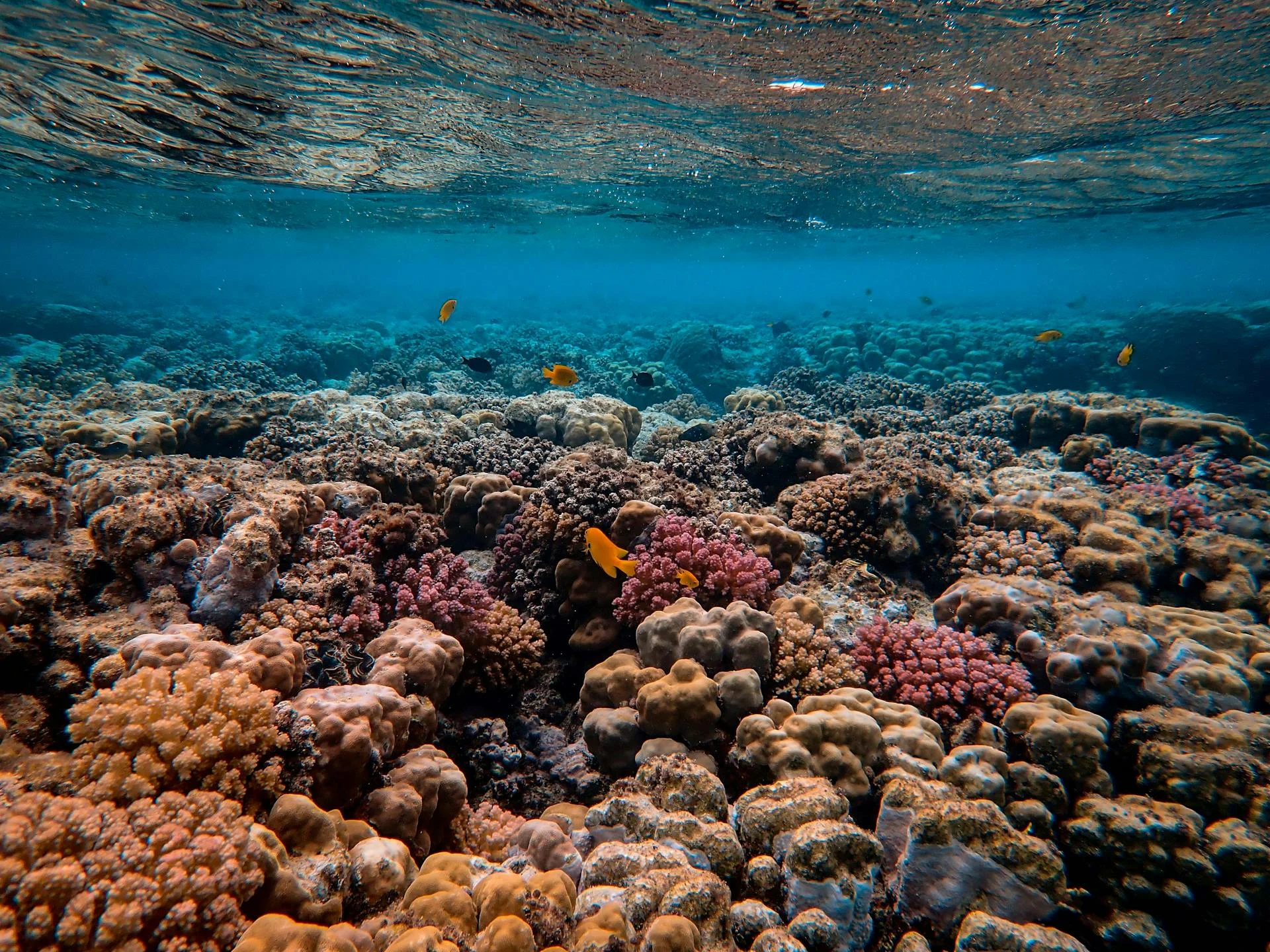
You take a slow breath. The regulator delivers air effortlessly. Sunlight dances through clear blue water. A clownfish peeks from coral just meters away.
And suddenly, you realize — you’re breathing underwater.
If you’ve ever considered scuba diving but felt unsure where to start, the Red Sea might be the perfect place for your first dive. Warm water. Exceptional visibility. Calm conditions. Professional instructors. And prices that make world-class diving surprisingly accessible.
This guide will walk you through everything you need to know about Red Sea diving for beginners — who can dive, how safe it is, what it costs, and why thousands of first-time divers start their journey here every year.
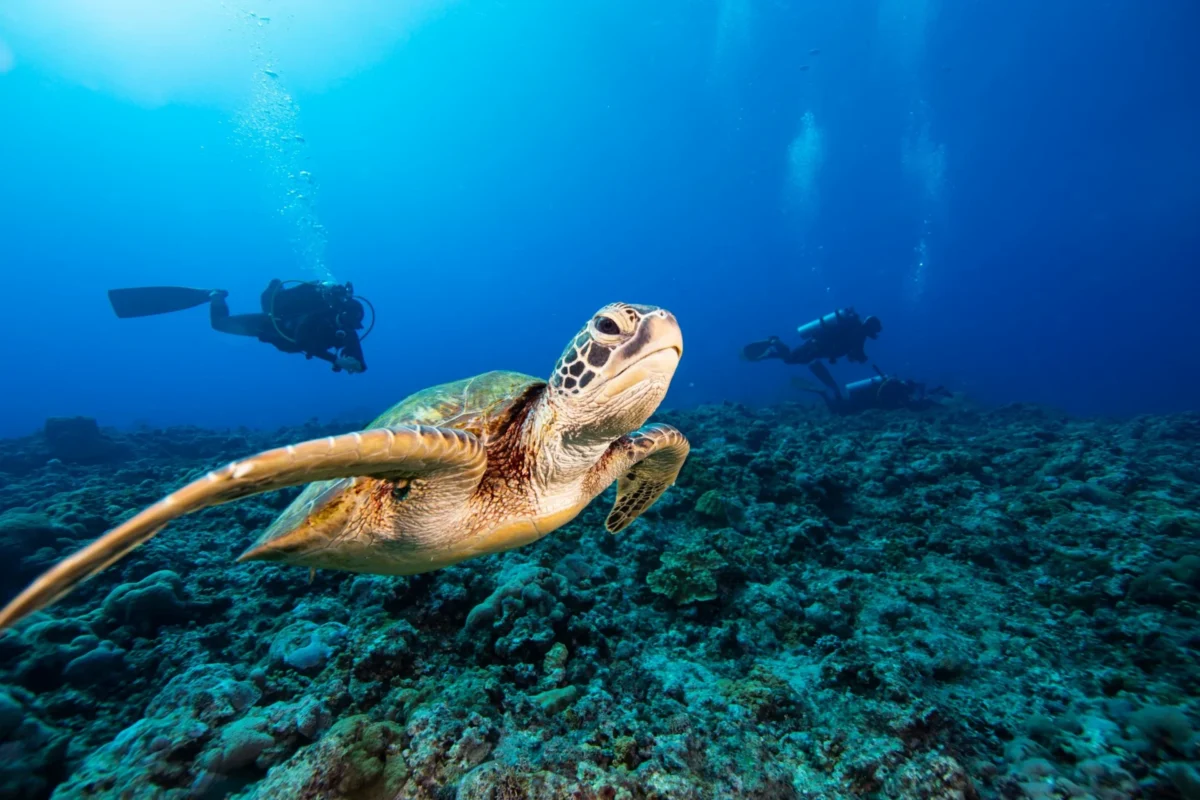
Beginner divers exploring vibrant coral reefs in the Red Sea often encounter sea turtles.
Why the Red Sea Is Perfect for Beginner Divers
The Red Sea has been a global diving hotspot for decades — and for good reason. But what makes it ideal specifically for beginners?
1. Exceptional Visibility
Visibility often ranges between 20–30 meters. For new divers, clear water builds confidence and reduces stress.
2. Warm Water Year-Round
- Winter: ~22–24°C
- Summer: ~26–30°C
3. Gentle Conditions
Many beginner dives take place in protected bays with minimal current and shallow reefs.
4. Incredible Marine Life at Shallow Depths
- Clownfish
- Parrotfish
- Blue-spotted stingrays
- Moray eels
- Sea turtles (occasionally)
What Happens on Your First Dive?
If you’re trying scuba diving for the first time in the Red Sea, the experience is structured, calm, and closely supervised.
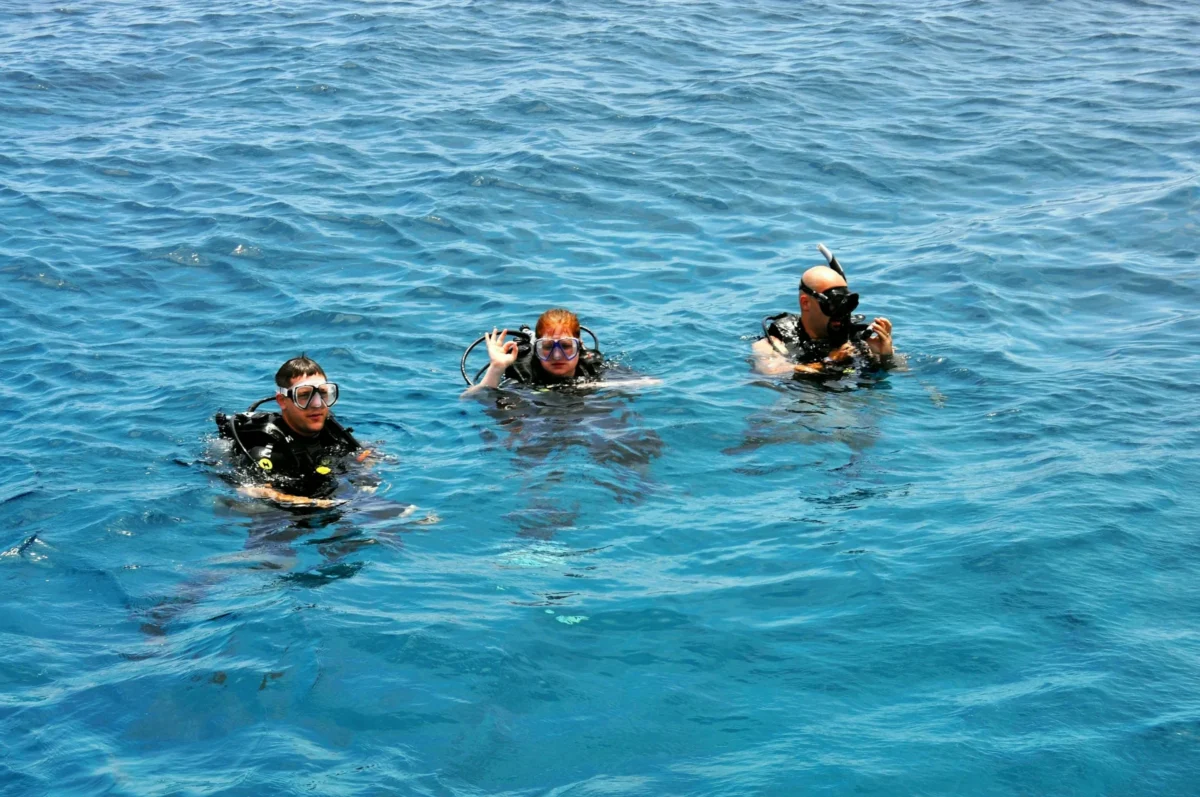
Beginner scuba divers preparing calmly on the surface before their first Red Sea dive.
- Short safety and theory briefing
- Equipment explanation
- Shallow water practice
- Guided descent with instructor
- Maximum depth usually 10–12 meters
Instructors remain right beside you throughout the dive. Most beginners describe the experience as easier and more relaxing than expected.
A Brief History of Red Sea Diving
The Red Sea became internationally famous in the mid-20th century when ocean explorer Jacques Cousteau documented its reefs and marine life.
By the 1980s and 1990s, Egyptian coastal cities such as Hurghada and Sharm El Sheikh had developed into major diving hubs with internationally certified instructors and professional dive operations.
Who Can Try Scuba Diving?
Minimum Age
Most major dive organizations allow children from 10 years old to begin certification or introductory experiences.
Physical Requirements
- Comfortable in water
- Basic mobility
- General good health
Medical Considerations
- Severe asthma
- Heart conditions
- Recent lung surgery
- Epilepsy
- Pregnancy
All participants complete a medical questionnaire before diving.
How Much Does Red Sea Diving Cost?
Typical Beginner Prices (Egypt)
- Discover Scuba Diving: €40–€80
- 2-dive boat trip with lunch: €35–€60
- Open Water Course: €300–€450
Compared to destinations like Thailand, the Maldives, or Australia, the Red Sea offers exceptional value for world-class reefs.
Is Diving in the Red Sea Safe?
Yes — when done with certified and reputable operators.
Dive centers follow international safety standards, use certified instructors (PADI, SSI, CMAS), and provide thorough briefings and maintained equipment.
What Marine Life Will You See?
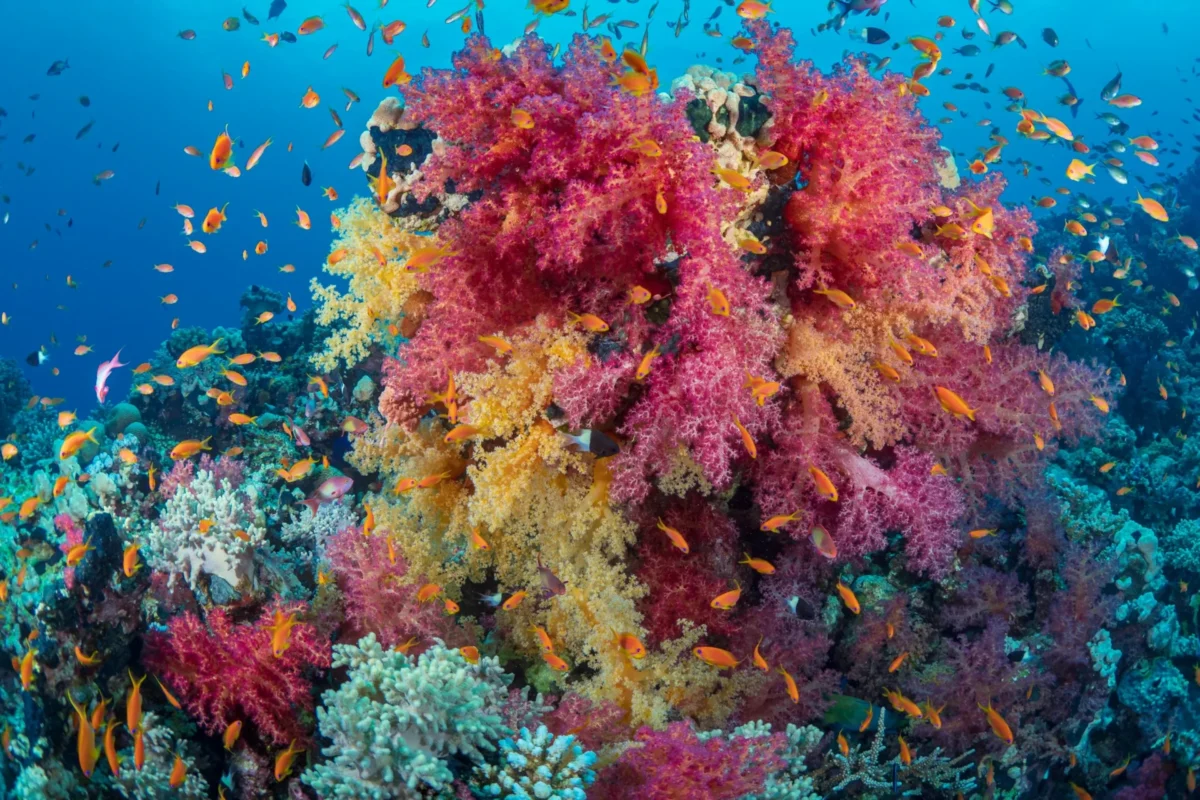
The Red Sea is famous for its vibrant soft corals and diverse marine life.
- Hard and soft coral gardens
- Schools of anthias
- Butterflyfish and angelfish
- Moray eels
- Occasional reef sharks
- Sea turtles
Beginner Tips Before Your First Dive
- Sleep well the night before
- Stay hydrated
- Avoid alcohol
- Eat light before diving
- Never hold your breath underwater
- Avoid flying 18–24 hours after diving
Ready to Try Red Sea Diving?
If you’ve read this far, chances are you’re already imagining yourself underwater.
The Red Sea offers one of the safest, most beautiful, and most affordable ways to begin scuba diving.
Whether you want to try a single introductory dive or complete your full Open Water certification, we can help you plan the right experience.
Frequently Asked Questions About Red Sea Diving for Beginners
Is the Red Sea good for beginner divers?
Yes. Warm water, clear visibility, calm conditions, and professional dive centers make the Red Sea one of the best places globally to start scuba diving.
How old do you need to be to scuba dive in the Red Sea?
Most programs allow children from 10 years old to begin certification or try introductory dives, depending on the training agency and local operator policies.
Do I need to know how to swim?
For full certification, basic swimming ability is required. For introductory dives, comfort in water is usually sufficient under close instructor supervision.
How much does beginner diving cost in Egypt?
Introductory dives typically range from €40–€80, and beginner courses such as Open Water certification often range from €300–€450 depending on location and season.
Is scuba diving safe for beginners?
Yes, when you dive with certified instructors and reputable dive centers that follow international safety standards, provide proper briefings, and maintain equipment.
Final Thoughts
Your first dive should feel safe, inspiring, and unforgettable.
The Red Sea delivers all three.
If you’re ready to take that first breath underwater, we’re here to guide you every step of the way.